
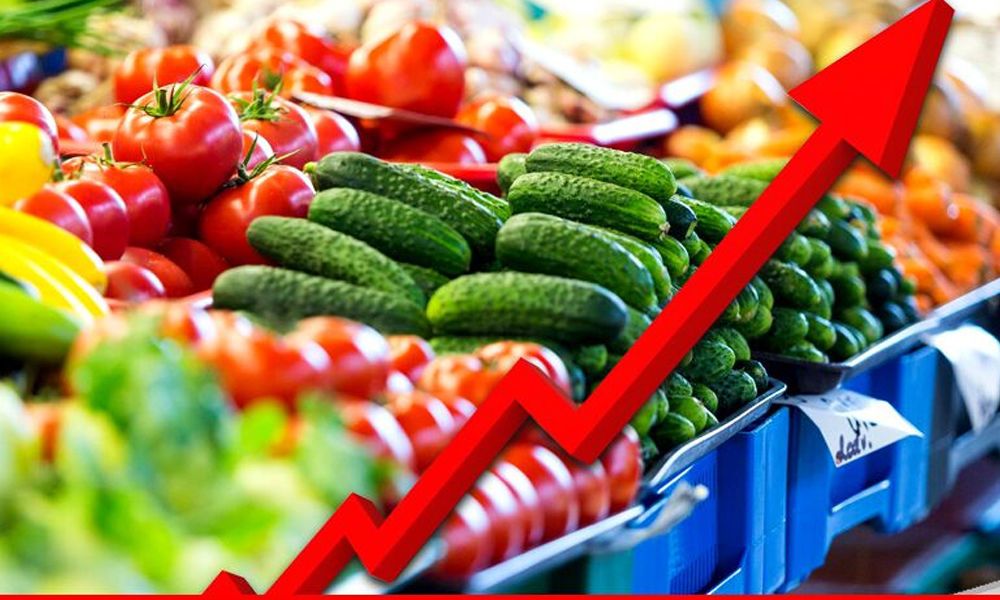
I am sure by now if you haven’t noticed the prices of food at the grocery, you haven’t been doing your own groceries. Eating healthy seems to have become a subject that is ignored by media when it comes to a person or a families budget. We see money being sent to homes through government stimmy checks so people can spend and start up a troubled economy. But what we don’t hear about are the prices for essential items such as food skyrocketing. What good is handing out money if it causes the price of food to become unaffordable? If you chose to go organic, which is accustomed for people trying to get as much nutrients possible without the effects of chemically grown products, you will be in for a surprise at the cash register. Now if you choose to go the unhealthy way and eat processed, sugary foods loaded with high fructose syrup, you will spend somewhat less than choosing the healthy lifestyle choice. Than again the long term effects of eating junk will end in some illness which will cost you much more in medications and doctors visits than adhering to a healthy lifestyle. For many of us the choice is obvious. So lets go over options to try and save a buck or two while maintaining a healthy lifestyle.
First we go straight for the priciest of foods at the moment, Protein. This macronutrient has skyrocketed in price. Especially in red meats. Not to mention lean meats. There are some ways to save on protein besides waiting on it to be on sale at the grocery stores and stocking up on it. You may want to change to fattier meats. We now know that saturated fats are not as evil as people claim they were. As long as you are not frying in some vegetable oils or corn oils. Cook in real butter or oils like MCT and olive oil. The price between lean meats and fatty meats is very noticeable. You can also have the meat market cut some fat off and weigh it afterwards if you are avoiding or limiting fat intake. Another option is to choose different protein sources. Poultry is cheaper than red meats and a great option. Chicken breast are priced higher but are an excellent option for those cutting fats. If you are following a diet like keto or carnivore, fats should not be a problem. Obviously you will want to get some fats from other sources as well, such as nuts, olive oil, macadamia oil and butter. Too much of anything is not recommended. One more option is to drink a quality protein powder as one of your meals or having a can of tuna. Tuna used to be a great source for protein. During the early days of bodybuilding, A bodybuilder named Dave Draper would get shredded and in competition shape by eating only tuna. Today we would prefer to limit intake of tuna due to the level of mercury in fish unfortunately. Salmon is a great source of protein as well. Though not as cheap as poultry and tuna. Eggs can still be found at cheap prices at any grocery or big box store. Egg is a favorite choice of protein as it just might be the perfect source of protein. I stock up on eggs and eat it once or twice a day. I have mentioned before that I got lean and shredded while eating an average of eight to ten eggs a day. The claim that whole eggs clog arteries is a myth.
Vegetables are not as pricey as protein, with exceptions of organic vegetables. Choosing vegetables does make a difference as well. Comparing items like spinach to romaine lettuce or asparagus will make a difference. Unfortunately we cannot stock up on fresh vegetables unless we want to see it go to waste. An option is to buy frozen vegetables. Frozen vegetables tend to be cheaper than fresh vegetables. I recommend reading labels of such, make sure you are getting good quality. Shopping at local farms will save you money as well by cutting out the middle man. This is an option I practice being fortunate enough to have some local farms close to my residence.
Grains are typically not as pricey in comparison to the macronutrients mentioned above. Still notice it in processed foods. Ever notice how the boxes of cereal have been getting smaller over the years? Companies still need to survive inflationary increases without the public noticing it. Many fillers are added to processed grains to save money as well. Best to just avoid eating that junk. Rice is still relatively cheap unless you choose to eat other types of rice like sushi, jasmine or black rice. Regular white rice or brown rice are affordable, but has had cost increase as well. This is an item that if found on sale can be stored for long periods of time. Healthy breads are not as cheap as processed breads, but the benefits outweigh the cost. Not many options on saving on breads with the exception of cutting back or eliminating intake of such. Fortunately if you find them on sale, you can always store in a freezer. Having a small freezer is an advantage when it comes to storing foods and saving money when sales appear. Another option for those who really want their carbohydrates is purchasing dry pastas or baking your own breads.
Cooking from home will save you money than takeout or going to restaurants Fresh cooked food will beat any frozen dinner in both quality and price. I have prepped meals such a spaghetti squash for a whole week at very affordable price without struggling with bland tasting foods. If you are willing to cook and prepare meals, you will save money. If food prices have been climbing in price, expect to pay more at any restaurant. Better to do the work and put some money away for future needs or endeavors.
Take care.
 thestrategicmale.com